
Utah's Telephone Fraud Prevention Act (TFPA) protects residents from telemarketing fraud through a Do Not Call Registry, strict penalties for violators, and restrictions on robocalls. The Public Utilities Commission oversees the registry, with businesses facing fines for non-compliance. A Do Not Call Lawyer Utah assists in navigating these regulations, ensuring legitimate marketing practices while protecting consumer privacy and autonomy. These lawyers help implement do-not-call policies, maintain accurate caller ID systems, and manage compliance records to avoid substantial legal consequences.
In the digital age, communication technologies have evolved exponentially, introducing new avenues for fraudsters to exploit. Utah's Telephone Fraud Prevention Act stands as a robust framework designed to safeguard residents from deceptive practices, particularly in the realm of telecommunications. This act addresses the growing concern of unwanted calls, often characterized by sophisticated scams aiming to manipulate and mislead. By implementing stringent regulations, Utah seeks to empower its citizens, ensuring they can enjoy peace of mind when answering their telephones. Engaging the services of a Do Not Call Lawyer Utah becomes a strategic move for individuals looking to navigate this regulatory landscape effectively and protect themselves from potential fraud.
Utah's Telephone Fraud Prevention Act: An Overview
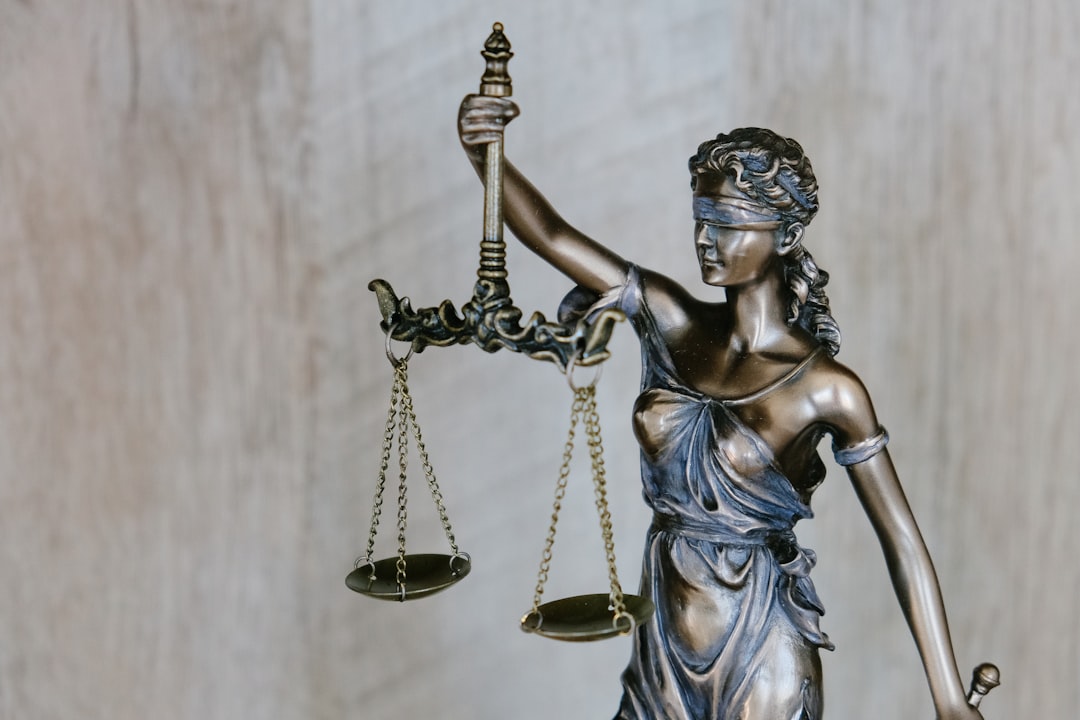
Utah's Telephone Fraud Prevention Act (TFPA) is a robust legal framework designed to safeguard residents from deceptive telemarketing practices. Enacted to curb rising instances of telephone fraud, this act mandates strict compliance for businesses engaging in phone-based marketing strategies within the state. The TFPA not only empowers Utahns with tools to protect their privacy but also sets clear boundaries for marketers, ensuring a more transparent and ethical business environment.
The legislation establishes a "Do Not Call" registry, allowing individuals to register their telephone numbers to opt-out of unsolicited sales calls. This powerful tool gives residents control over their communication preferences. Businesses found violating the act by calling registered numbers face severe penalties, including substantial fines and legal repercussions. For instance, a Do Not Call Lawyer Utah can assist affected parties in navigating these complex legal issues, ensuring businesses adhere to the stringent regulations.
Moreover, the TFPA prohibits prerecorded or artificial messages, unless specifically allowed for certain types of calls. This provision targets advanced fraud techniques, such as scam robocalls, which have plagued consumers across the nation. By restricting these practices, Utah takes a proactive step towards enhancing consumer protection and fostering a more secure telephone marketing landscape. Businesses must carefully conform to these guidelines to maintain legality and build trust with their target audience.
Understanding Do Not Call Laws in Utah
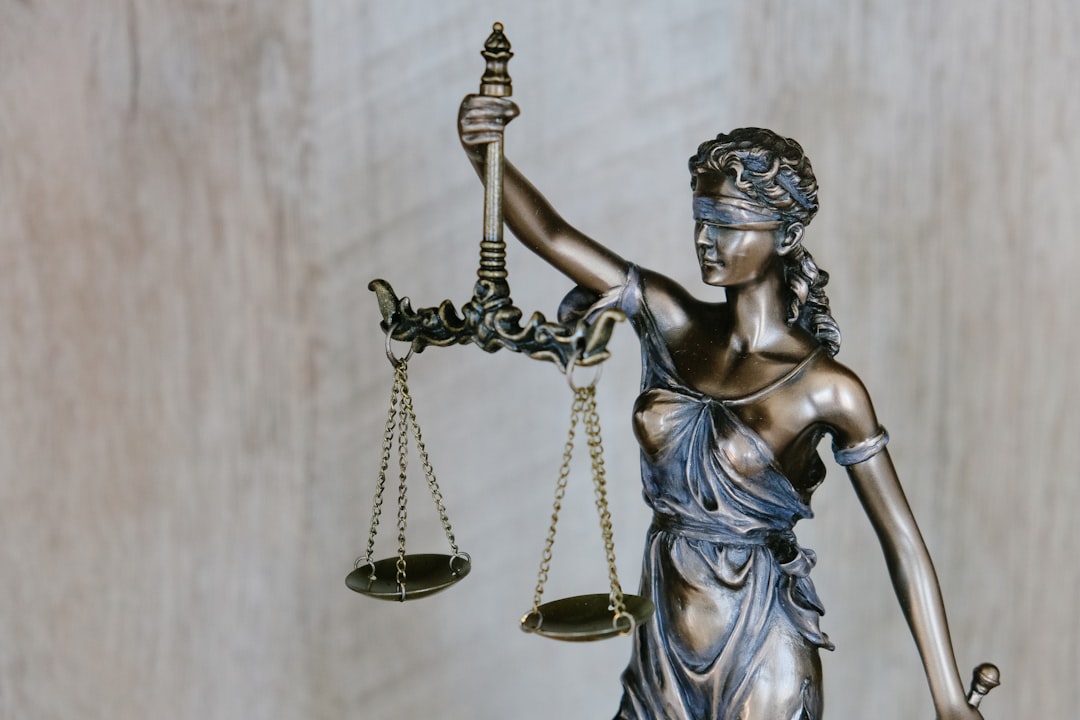
In Utah, telephone fraud prevention is a serious matter, with strict regulations in place to protect residents from deceptive practices. One of the key components of this framework is the Do Not Call Laws, designed to safeguard individuals from unwanted telemarketing calls. These laws not only empower citizens but also provide a legal framework for addressing violations. The Do Not Call Registry in Utah is administered by the state's Public Utilities Commission, which ensures compliance and facilitates complaints.
Residents who wish to prevent such calls can register their telephone numbers through the official Do Not Call Registry. This simple step has significant implications, as it notifies businesses that the recipient does not consent to telemarketing calls. It's important to note that these laws cover a wide range of communication methods, including landlines, mobile phones, and voice over internet protocol (VoIP). A Do Not Call Lawyer Utah can provide invaluable assistance in navigating this legal landscape, especially for businesses aiming to comply with the regulations while avoiding potential penalties.
For instance, a Utah court recently upheld a significant fine against a telemarketing company that violated the state's Do Not Call Laws. This case serves as a reminder of the strict enforcement and potential consequences for non-compliance. Businesses should be proactive in understanding these laws to avoid legal issues and maintain consumer trust. A lawyer specializing in this area can offer tailored advice, ensuring companies stay within regulatory boundaries while engaging in legitimate marketing practices. By staying informed about Do Not Call Laws, Utah residents and businesses can foster a fair and transparent communication environment.
Protecting Consumers: Key Provisions Explained
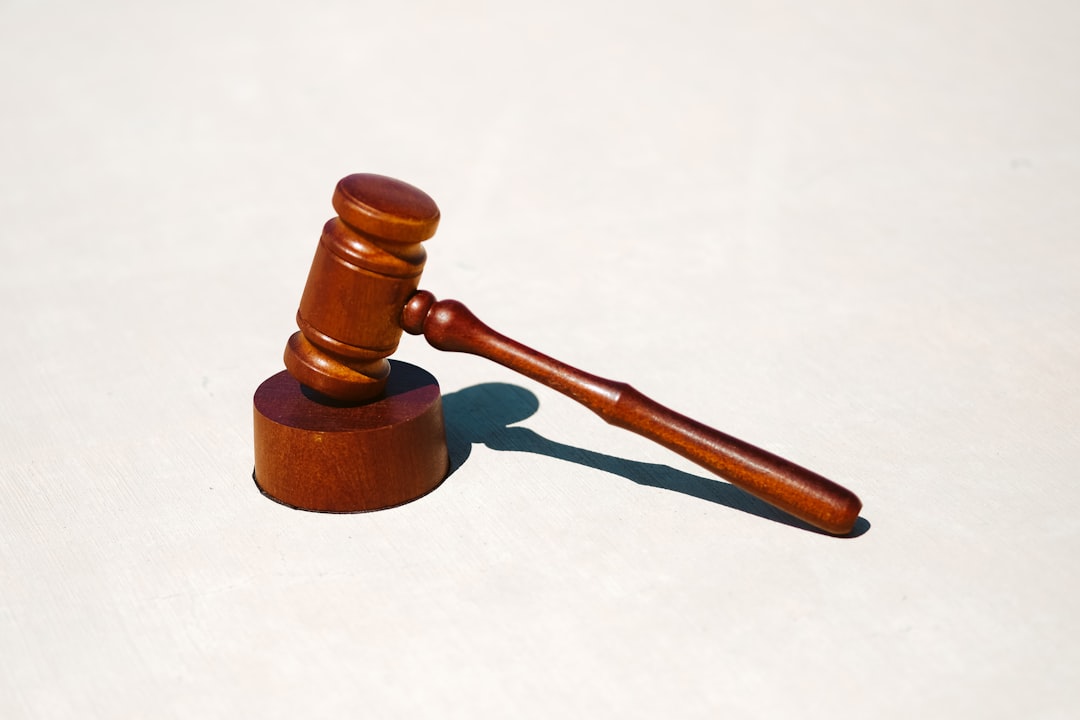
Utah's Telephone Fraud Prevention Act stands as a robust framework designed to safeguard consumers from deceptive and fraudulent phone calls, particularly those related to telemarketing. This legislation is instrumental in preserving the peace of mind and financial security of Utah residents, empowered by clear guidelines that delineate acceptable practices for businesses engaging in interstate or foreign commerce. At its core, the Act emphasizes respect for consumer privacy and autonomy, with key provisions aimed at curtailing unwanted calls and providing recourse when violations occur.
A cornerstone of this protection is the Do Not Call Registry, which allows individuals to opt-out of receiving marketing calls. This registry, maintained by the Utah Department of Commerce, serves as a powerful tool for consumers to exercise control over their communication preferences. Moreover, it imposes strict penalties on entities that disregard registered numbers, including substantial fines and legal repercussions, with the assistance of a Do Not Call Lawyer Utah. The Act also mandates clear and conspicuous disclosures from telemarketers, ensuring transparency about the purpose of the call and the nature of any offered goods or services.
Practical insights for businesses navigating these waters are paramount. Compliance involves implementing robust internal policies that align with the Act's requirements, training staff on consumer rights and responsibilities, and employing technology to prevent unauthorized calls. For instance, utilizing automated systems should include safeguards to ensure compliance, such as providing a clear and simple opt-out method during each call. Businesses should also be prepared to verify consumer consent before initiating calls, particularly for sales or marketing purposes. Regular reviews and updates of telemarketing practices are essential to stay ahead of evolving consumer expectations and legal landscapes.
Enforcing Utah's Anti-Fraud Measures: Legal Reconsiderations for Do Not Call Lawyer Utah

Utah's Telephone Fraud Prevention Act serves as a robust framework to combat fraudulent activities over the phone, with severe penalties for offenders. Enforcing these anti-fraud measures involves a complex interplay of state laws and federal regulations, particularly when addressing do-not-call violations. The Do Not Call Lawyer Utah plays a pivotal role in this legal landscape, ensuring businesses comply with the stringent restrictions to protect consumers from unwanted telemarketing calls.
One of the key considerations for a Do Not Call Lawyer Utah is understanding the scope of protected individuals and entities. This includes residents who have registered on the state's do-not-call list, as well as those who have expressed explicit opt-out preferences through national databases like the National Do Not Call Registry. Legal experts must guide businesses in implementing accurate caller identification systems and maintaining detailed records to demonstrate compliance. For instance, a violation could occur when a company calls a registered number, despite having access to and ignoring the individual's opt-out status.
Moreover, the Act imposes stringent penalties for non-compliance, including substantial fines and legal liability. A Do Not Call Lawyer Utah must advise businesses on how to navigate these penalties, ensuring fair treatment while upholding the law. This involves strategic legal reconsiderations, such as reviewing call scripts, training staff on do-not-call regulations, and establishing robust internal compliance programs. By combining a deep understanding of Utah's anti-fraud legislation with practical legal strategies, these experts empower businesses to protect their operations and maintain consumer trust in an increasingly regulated telemarketing environment.