
Federal and Utah state laws, led by the FTC's TSR and Utah's TCPA, protect consumers from spam calls, with strict consent requirements and penalties. Businesses must respect consumer preferences, implement robust compliance systems, stay updated on regulations, and manage marketing strategies to avoid legal issues. Consulting Spam Call law firms in Utah is recommended for navigating complex laws and ensuring adherence across jurisdictions. Key insights include explicit opt-in consent, tracking call volume, adhering to do-not-call lists, and staying informed about legislative updates.
In the digital age, telemarketing has evolved, often blurring the lines between effective outreach and intrusive spam. With the proliferation of automated calls and texts, understanding the nuances of federal and state regulations is paramount for businesses and consumers alike. Utah, with its unique legal landscape, presents specific challenges and opportunities for telemarketers, particularly when compared to federal guidelines. This article provides an in-depth analysis of these differences, guiding readers through the complex web of laws, especially relevant for those seeking to navigate Utah's Spam Call law firm landscape while adhering to legal boundaries.
Understanding Federal Telemarketing Regulations

The Federal Telemarketing Regulations form the backbone of consumer protection against unwanted marketing practices, particularly in the age of persistent spam calls. These rules, overseen by the Federal Trade Commission (FTC), are designed to ensure that businesses engage in telemarketing activities responsibly and ethically. At the state level, Utah has also enacted its own laws, offering additional safeguards for residents dealing with unsolicited calls. Understanding these federal regulations is crucial for businesses aiming to comply with both federal and state requirements, especially considering the consequences of non-compliance, including substantial fines.
At the federal level, the Telemarketing Sales Rule (TSR) is a comprehensive framework that dictates how telemarketers must operate. It mandates clear disclosures, prohibits deceptive practices, and establishes do-not-call lists to give consumers control over their communication preferences. For instance, the TSR requires telemarketers to obtain verbal consent before initiating calls, clearly state the purpose of the call, and provide a way for recipients to opt-out without facing reprisal. Spam Call law firms in Utah often advise clients on navigating these federal requirements, emphasizing the importance of comprehensive training for employees involved in telemarketing activities.
Beyond the federal framework, each state has its own nuances. In Utah, the Telephone Consumer Protection Act (TCPA) complements federal laws by providing additional protections against unwanted calls, including restrictions on automated or prerecorded messages without prior express consent. The TCPA also offers a private right of action, enabling individuals to sue for damages in cases of violations. Understanding these dual sets of regulations is essential for businesses to avoid legal pitfalls and ensure compliance across jurisdictions. Regular audits and updates to telemarketing practices are recommended to keep pace with evolving laws, thereby safeguarding both consumer rights and business interests.
Utah's Approach to Spam Call Prevention
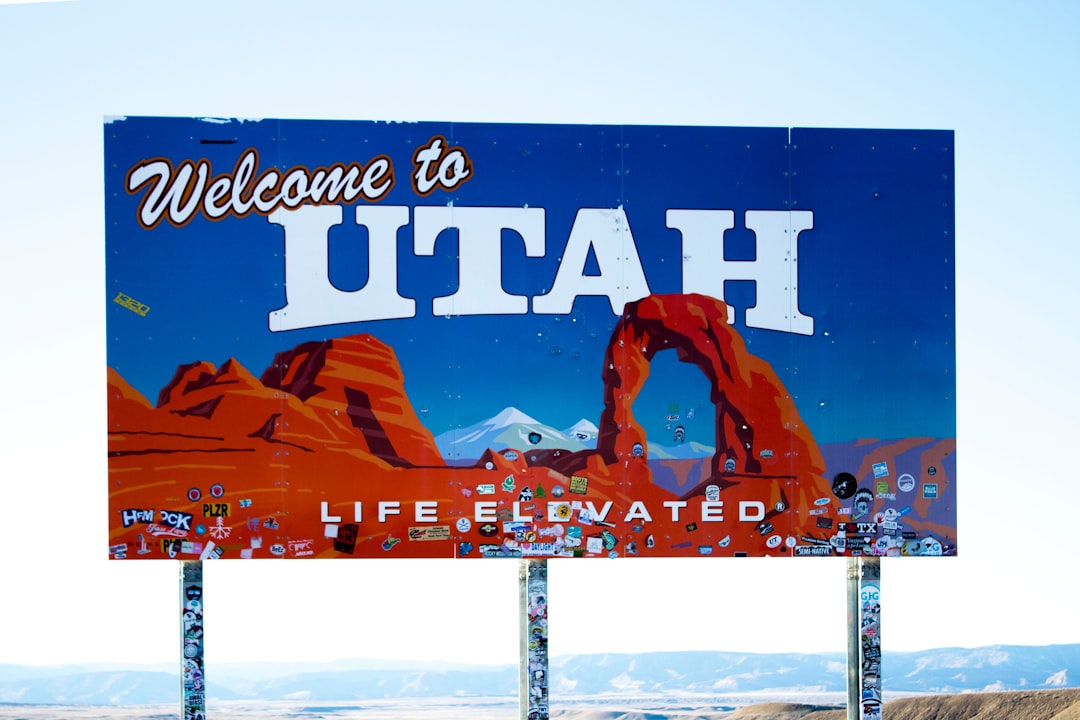
Utah has distinctively taken a stringent approach to spam call prevention, setting it apart from federal regulations. Unlike the Telemarketing Consumer Protection Act (TCPA) which provides broad guidelines, Utah's laws target specific aspects of telemarketing practices with a focus on consumer privacy and protection. The state's Spam Call law firm Utah plays a pivotal role in this regard, offering residents an additional layer of defense against unwanted calls.
Utah's approach is characterized by stricter enforcement and more severe penalties for violators. For instance, the state allows consumers to file lawsuits against telemarketers who disregard do-not-call requests, with damages that can include treble (three times) the amount of each illegal call. This stringent policy has led to a significant reduction in spam calls over the years, reflecting Utah's commitment to safeguarding its citizens from intrusive and unsolicited marketing practices.
Practical insights for businesses operating within Utah's jurisdiction include a keen awareness of consumer preferences and explicit consent. Businesses should implement robust systems to ensure they only contact individuals who have agreed to receive telemarketing calls. Additionally, staying informed about evolving laws and regulations is crucial; regular updates from Spam Call law firm Utah can provide valuable guidance on navigating these complex legal landscapes. By adhering to these principles, companies can effectively manage their marketing strategies while respecting Utah's stringent spam call prevention measures.
Key Differences in Legal Frameworks

The legal frameworks governing telemarketing activities in the United States vary significantly at the federal and state levels. When comparing federal laws with those specific to Utah, such as the Spam Call law firm Utah residents encounter, several key differences emerge. One of the primary distinctions lies in the scope of regulation; federal laws apply universally, while state-level legislation like Utah's targets specific geographic areas.
At the federal level, the Telephone Consumer Protection Act (TCPA) serves as a comprehensive guideline for telemarketing practices. It mandates obtaining prior express consent from recipients before placing automated calls and provides penalties for violations. In contrast, Utah's law, often referred to as the "Spam Call" rule, goes beyond the TCPA by imposing stricter restrictions on certain types of outbound calls. For instance, Utah prohibits all automated or prerecorded telemarketing calls unless the caller has obtained an explicit opt-in consent from the recipient, setting a higher bar for compliance.
Additionally, the enforcement mechanisms differ. While the TCPA allows individuals to file private lawsuits and seek damages, Utah's law relies more heavily on government agencies for enforcement. This creates a unique dynamic where residents have both individual rights under federal law and additional protections offered by state regulators. Businesses operating across state lines must navigate these variations meticulously to avoid legal pitfalls. For instance, a company based in a state with less stringent telemarketing laws might inadvertently violate Utah's Spam Call rule, leading to significant penalties and damage to its reputation.
To stay compliant, businesses should employ strategies tailored to each jurisdiction. Consulting with a local or specialized law firm adept in handling such nuances is advisable. Regular reviews of these evolving legal frameworks are essential to ensure ongoing adherence to the latest regulations, especially considering the potential consequences of non-compliance, including substantial financial penalties and harm to customer relationships.
Implications for Businesses and Consumers

The federal Telemarketing Consumer Protection Act (TCPA) and Utah's Spam Call law significantly differ in their approach to regulating telemarketing practices, presenting unique challenges for businesses operating within both jurisdictions. While the TCPA imposes broad restrictions on unsolicited calls, Utah's law takes a more targeted yet stringent approach, particularly focusing on spam calls. This dichotomy can lead to confusion among businesses, especially those with extensive multi-state operations. For instance, a company based in a state with lenient telemarketing laws might inadvertently violate Utah's strict anti-spam measures, resulting in significant legal repercussions and damaged consumer relationships.
Businesses must navigate these differences to ensure compliance and maintain consumer trust. In Utah, the law defines spam calls as those made using an automatic dialing system or prerecorded messages without prior express consent from the recipient. This definition is stricter than the TCPA's broader interpretation, which includes any call made without an existing business relationship. Non-compliance can lead to substantial fines and legal action, with a Utah Spam Call law firm often being the first point of contact for those facing such issues. Consumers, too, are affected by these differences, as Utah's stringent laws provide them with stronger protections against unwanted calls but may also result in more strict enforcement actions that could impact legitimate business efforts to reach customers.
Practical advice for businesses involves seeking expert legal counsel to understand the nuances of both laws. Implementing robust internal policies and obtaining explicit consent from consumers before making any marketing calls can help mitigate risks. Additionally, leveraging technology to enhance call tracking and consumer opt-out mechanisms aligns with best practices under both federal and state regulations. Businesses should also be prepared for proactive consumer enforcement, where individuals have the right to file complaints, which may trigger investigations by Utah's dedicated consumer protection agencies or legal actions from affected parties.
Navigating the Utah Spam Call Law Firm Landscape

Navigating the Utah Spam Call Law Firm Landscape requires a deep understanding of the state's unique legal framework, which significantly diverges from federal regulations. Utah has implemented its own stringent Spam Call law firm regulations, aiming to protect residents from unwanted telemarketing calls. This state-level approach adds an extra layer of complexity for businesses and law firms engaging in interstate commerce, highlighting the need for meticulous compliance strategies.
The Utah Spam Call Law Firm landscape is characterized by stricter restrictions on call volume, specific opt-out requirements, and enhanced penalties for non-compliance. Unlike federal guidelines that permit a certain number of telemarketing calls per day with established opt-out mechanisms, Utah law firm regulations demand more stringent control over call frequency, especially when targeting residential areas. For instance, allowing only three calls per week to numbers on the state's Do Not Call registry could be typical under Utah law, compared to federal limits that often permit higher volumes. Law firms operating in Utah must implement robust systems to track and monitor these call metrics, ensuring adherence to local regulations to avoid hefty fines.
Practical insights for compliance include integrating advanced telemarketing software capable of handling Utah's specific requirements. These tools can automate opt-out processes, manage call records, and provide real-time analytics for monitoring compliance. Law firms should also educate their staff on the nuances of Utah law firm regulations, ensuring consistent application across all marketing efforts. Regular audits and training sessions can help maintain compliance standards. Moreover, staying informed about legislative updates is crucial, as Utah's Spam Call laws could evolve, requiring adaptable strategies to remain in line with current regulations.