
Utah's Do Not Call Laws, bolstered by federal regulations like the TCPA, protect consumers from unwanted telemarketing. Businesses must:
– Register with Utah's Do Not Call Registry and respect local protections for numbers.
– Implement strict consent processes, opt-out mechanisms, and accurate record-keeping.
– Comply with both federal TCPA and state-specific rules to avoid significant fines.
– Stay informed about regulatory changes and engage legal experts for tailored guidance.
In today’s digital age, understanding telemarketing laws is essential for both businesses seeking to reach customers and consumers looking to control their communication preferences. While federal Do Not Call laws offer a framework, individual states like Utah have unique regulations that can significantly impact marketing strategies. This article delves into the differences between federal and Utah telemarketing laws, providing a comprehensive guide for businesses operating in this state. By navigating these nuances, companies can ensure compliance, respect consumer choices, and maximize their outreach efforts, thereby fostering a harmonious relationship with their target audience in Utah’s regulated environment.
Understanding Federal Do Not Call Laws

The Federal Do Not Call (DNC) laws serve as a cornerstone of consumer protection in the United States, aiming to curb unwanted telemarketing calls. These regulations are designed to give consumers control over their phone numbers, enabling them to opt-out of receiving marketing calls and texts. At the federal level, the Telephone Consumer Protection Act (TCPA) sets strict guidelines for telemarketers, mandating explicit consent from recipients before making any sales or promotional calls. Violations can result in substantial fines, underscoring the law’s seriousness.
In Utah, Do Not Call laws complement these federal regulations with additional safeguards. The Utah Department of Commerce regulates telemarketing practices within the state, ensuring that businesses comply with both state and federal requirements. Utah’s laws offer residents an extra layer of protection by prohibiting calls to numbers on the National Do Not Call Registry, a list maintained by the Federal Trade Commission (FTC). Notably, Utah law also restricts calls to individuals who have registered their numbers with the Utah Department of Commerce’s similar state registry. This dual approach fosters a more comprehensive privacy framework for Utah residents, aligning with the broader goals of federal DNC laws.
Practical advice for businesses is paramount to navigating these regulations effectively. Companies should implement robust internal policies to ensure compliance, including obtaining verifiable consent from callers and maintaining accurate records. Additionally, leveraging technology to automate call blocking and filtering can help reduce the risk of unintentional violations. For Utah-based businesses, registering with the state’s Do Not Call Registry is essential, as it demonstrates a commitment to respecting consumer choices. By adhering to these measures, businesses can not only avoid penalties but also foster trust with their customer base.
Utah's Unique Telemarketing Regulations
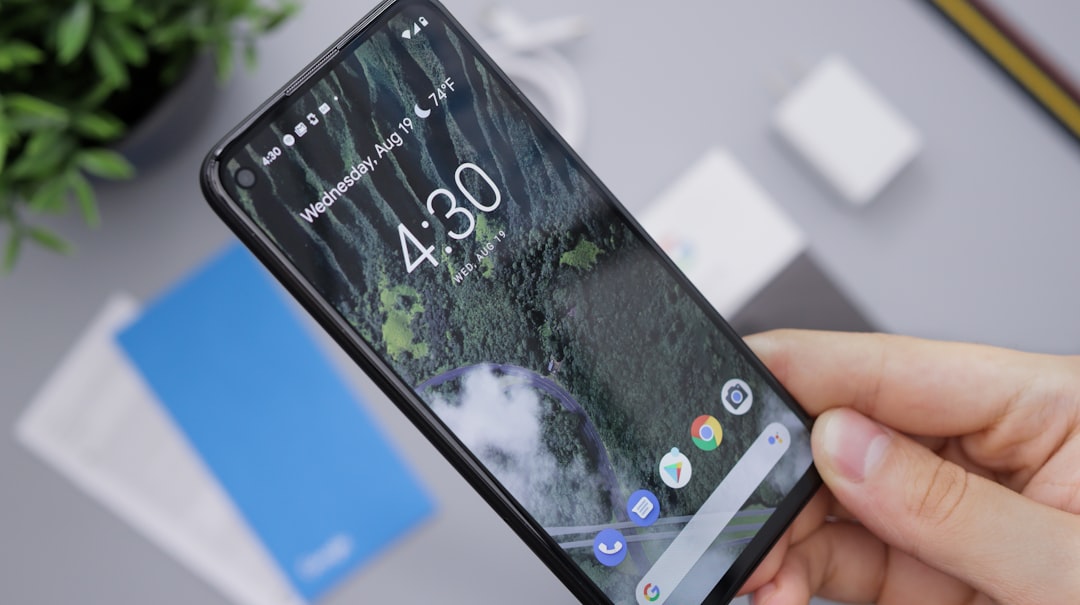
Utah’s Telemarketing landscape is distinct from federal regulations, boasting its own set of Do Not Call Laws that businesses must navigate carefully. These laws are part of a comprehensive consumer protection framework, designed to balance commercial interests with individual privacy rights. Unlike federal rules, Utah’s legislation specifically addresses telemarketing practices, offering both exemptions and stringent requirements. For instance, while the Telephone Consumer Protection Act (TCPA) generally restricts calls to numbers on national Do Not Call registries, Utah’s law expands protection to include local numbers, making it essential for businesses to respect these regional differences.
One notable aspect is Utah’s encouragement of voluntary compliance with its Do Not Call registry. Companies can avoid certain legal repercussions by adhering to this list, which is managed by the Utah Department of Commerce. This proactive approach not only helps residents manage their privacy but also serves as a best practice for businesses aiming to operate within the state’s regulations. Additionally, Utah law mandates specific disclosures and opt-out mechanisms during telemarketing calls, ensuring consumers have control over their interactions. For example, callers must identify themselves, state the purpose of the call, and provide a clear and concise way for the recipient to opt out.
Understanding these unique regulations is crucial for businesses targeting Utah consumers. Non-compliance can lead to significant fines and legal consequences. Therefore, companies should implement robust processes to verify consumer consent, manage opt-out requests efficiently, and stay informed about any updates in Utah’s telemarketing laws. Engaging with local legal experts or industry associations specializing in these regulations can provide valuable guidance tailored to specific business needs.
Comparing Rules: Federal vs. State

The landscape of telemarketing regulations is a complex web, with both federal and state laws governing this industry. When navigating these rules, particularly in states like Utah, which has its own Do Not Call Laws, understanding the differences between federal and state provisions is crucial for compliance and business operations. At the federal level, the Telephone Consumer Protection Act (TCPA) sets standards for telemarketers across the nation, including restrictions on robocalls and requirements for consumer consent. However, Utah has gone further, implementing its own stringent rules that supplement federal legislation.
One key difference lies in the definition of “unsolicited” calls. Federal law considers a call unsolicited if it is made to a consumer who has not given explicit permission, while Utah’s Do Not Call Laws take a broader approach. In Utah, a call is deemed unsolicited if it is made to a number listed on the state’s Do Not Call Registry, which includes both registered and unregistered numbers. This means that even if a consumer hasn’t explicitly opted out, calls to their number could still be prohibited under Utah law. Moreover, Utah’s regulations require telemarketers to obtain written consent for text messages, going beyond the federal requirements that rely on verbal agreements.
Practical implications are significant. Telemarketers operating in Utah must adhere to both sets of rules, ensuring compliance with federal TCPA standards and state-specific Do Not Call Laws. For instance, a company marketing its services via robocalls could face penalties if it fails to respect Utah residents’ opt-out rights under the state’s registry. To remain compliant, businesses should implement robust do-not-call management systems, obtain explicit consent for all communication channels, and closely monitor changes in regulations. Regularly reviewing and updating telemarketing practices to align with both federal and Utah state laws is essential to avoid legal pitfalls and maintain a positive customer experience.
Navigating Legal Requirements for Marketers

Navigating Legal Requirements for Marketers
Marketers operating within the United States face a complex web of regulations, particularly when engaging in telemarketing activities across different states. This is where federal laws, such as the Telephone Consumer Protection Act (TCPA), and state-specific Do Not Call Laws come into play, each with its own set of rules and restrictions. In this context, understanding the differences between federal and Utah telemarketing laws is paramount for businesses aiming to comply and avoid legal pitfalls.
Utah’s Do Not Call Laws, while similar in principle to the TCPA, exhibit distinct variations that marketers should be aware of. One key difference lies in the opt-out mechanism. In Utah, consumers have the right to register their telephone numbers on the state’s Do Not Call list, which requires marketers to refrain from contacting those numbers for a period of up to five years. Unlike the TCPA, which generally allows businesses to call numbers on their own internal do-not-call lists, Utah law mandates stricter adherence to consumer requests to stop calls, often within 30 days.
Practical insights for marketers include ensuring robust consumer consent processes and implementing effective opt-out mechanisms. Tracking and honoring consumer preferences across different channels is crucial. Moreover, staying informed about state-specific regulations like Utah’s Do Not Call Laws is essential, as non-compliance can result in substantial penalties. Marketers should also be mindful of the impact of data management practices on compliance, especially when transferring or sharing customer information between states with varying legal frameworks.